
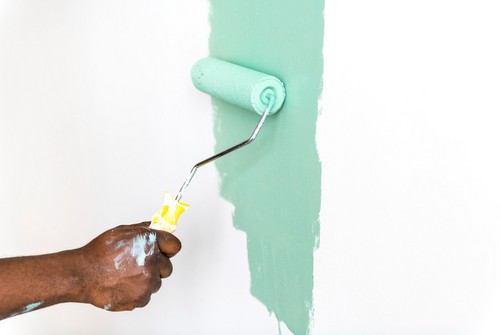
Wall preparation is a crucial step before painting, as it ensures proper adhesion, a smooth finish, and the longevity of your paint job. Skipping these steps can lead to issues like uneven paint, peeling, bubbling, and visible imperfections.
Here’s a comprehensive wall preparation process before painting:
1. Inspect and Repair Walls:
- Thorough inspection: Carefully inspect the entire wall surface for any imperfections like holes, cracks, dents, loose plaster, or peeling paint.
- Fill holes and cracks:
- For small nail holes and hairline cracks, use spackling paste or a lightweight wall filler.
- For larger holes or significant damage, you may need a drywall patch kit.
- Clean any gaps or cracks before filling.
- Apply the filler with a putty knife, ensuring it’s smooth and level with the surrounding wall.
- Allow the filler to dry completely according to the manufacturer’s instructions.
- Scrape loose or peeling paint: Use a paint scraper or wire brush to remove any loose, flaking, or bubbling paint. Be thorough, as any remaining loose paint will cause the new paint to peel.
- Address mildew or mold: If you find any mildew or mold, clean it thoroughly with a solution of water and bleach (3-4 parts water to 1 part bleach) or a dedicated mold remover. Scrub the affected area with a soft brush, rinse with clean water, and allow to dry completely. Never paint over mildew.
- Remove wallpaper (if applicable): While you can paint over some wallpapers, it’s generally recommended to remove it for the best finish. Peel-able wallpaper is easier to remove. For wallpaper hung with paste, you might need a stripping knife or wallpaper steamer to soften and scrape it off. Clean any paste residue thoroughly.
2. Sand the Walls:
- Smooth repaired areas: Once the filler is dry, sand the repaired areas with fine-grit sandpaper (180-220 grit) until they are smooth and flush with the rest of the wall.
- Dull glossy surfaces: If you’re painting over a glossy or high-sheen paint, lightly sand the entire wall to dull the surface. This creates a better “tooth” for the new paint to adhere to. For water-based paint, use fine-grit sandpaper. For oil-based paint, a medium-grit sandpaper (100-150 grit) is usually recommended.
- Smooth rough spots: Sand any other rough patches or uneven textures on the wall.
- Remove dust: After sanding, wipe down the walls thoroughly with a damp cloth to remove all dust and sanding residue. This is crucial as dust can prevent proper paint adhesion and lead to a gritty finish. Allow the walls to dry completely.
3. Clean the Walls:
- Remove dirt and grime: Even if the walls appear clean, they can have dust, cobwebs, grease, or fingerprints that can affect paint adhesion.
- Mild detergent solution: Wipe down the entire wall surface with a sponge and a solution of warm water and a mild detergent (like dish soap or sugar soap). For greasy areas (e.g., in a kitchen), a grease-cutting detergent is recommended.
- Rinse thoroughly: After cleaning, wipe the walls down again with clean water to remove any soap residue.
- Allow to dry completely: Ensure the walls are completely dry before moving to the next step. Painting on damp walls can lead to blistering or peeling.
4. Prime the Walls (if needed):
- Bare drywall/new plaster: Always prime bare drywall or newly plastered walls. These porous surfaces will absorb paint unevenly if not primed, requiring more coats and potentially an inconsistent finish.
- Stained or repaired areas: Use a stain-blocking primer to cover any stains (water stains, grease, etc.) or repaired areas. This prevents them from bleeding through the new paint.
- Drastic color changes: If you’re going from a dark paint color to a much lighter one, a primer will help achieve better coverage and a more uniform color in fewer coats.
- Glossy or difficult surfaces: A bonding primer is recommended for slick or glossy surfaces to help the new paint adhere.
- Different paint types: If you’re switching from an oil-based paint to a latex (water-based) paint, a primer is essential for proper adhesion.
- Apply primer evenly: Apply the primer evenly with a roller or brush, ensuring full coverage. Allow it to dry completely according to the manufacturer’s instructions before painting.
By following these wall preparation steps, you’ll create a clean, smooth, and ready surface that will allow your paint to adhere beautifully, giving you a professional and long-lasting finish.